- Worker has three fingers partially severed after contact with moving machinery at Glasgow fuel plant
- Radio miscommunication led to worker believing high-spinning blades had been turned off
- HSE investigation found the company failed to prevent access to dangerous parts of machinery
A biomass company in Glasgow has been fined a six-figure sum after a worker lost parts of three fingers in machinery at the Daldowie Fuel Plant.
The incident happened at SMW Limited’s site in Uddingston, near Glasgow, in 2023.
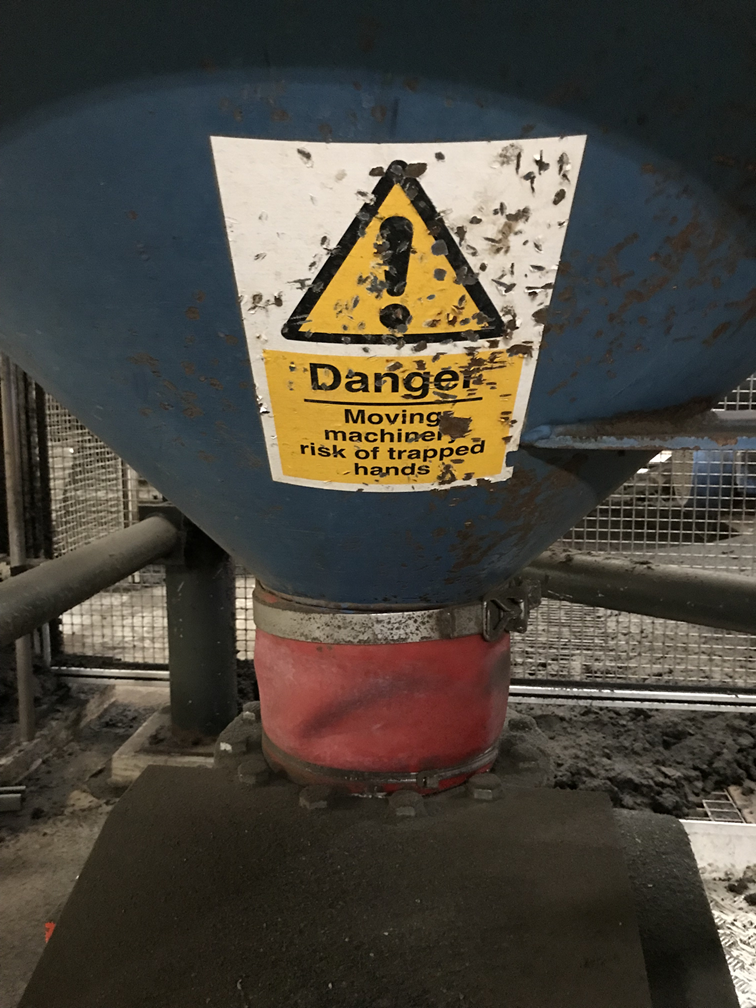
A shift operator with 17 years’ experience at the plant, suffered his injuries on 8 June 2023 while attempting to clear a blockage on a surge hopper – a large vessel through which processed material passes at the end of the production line.
The 57-year-old employee had been clearing a blockage in a rotary lock valve which contained rotating blades that turn at 25rpm. As he attempted to clear the blockage, he removed a metal clip and rubber gaiter to gain access to the valve. Communication with the control room, which operated the valve remotely, was carried out by hand-held radio. There was no line of sight between the two areas, and the radios were subject to interference.
A miscommunication over the radio led the employee to believe that the rotary lock valve had been turned off. Believing it was safe to do so, he inserted his right hand into the hopper, where it came into contact with the moving blades. The index, middle and ring fingers of his right hand were all partially severed, and he has not returned to work since the incident.
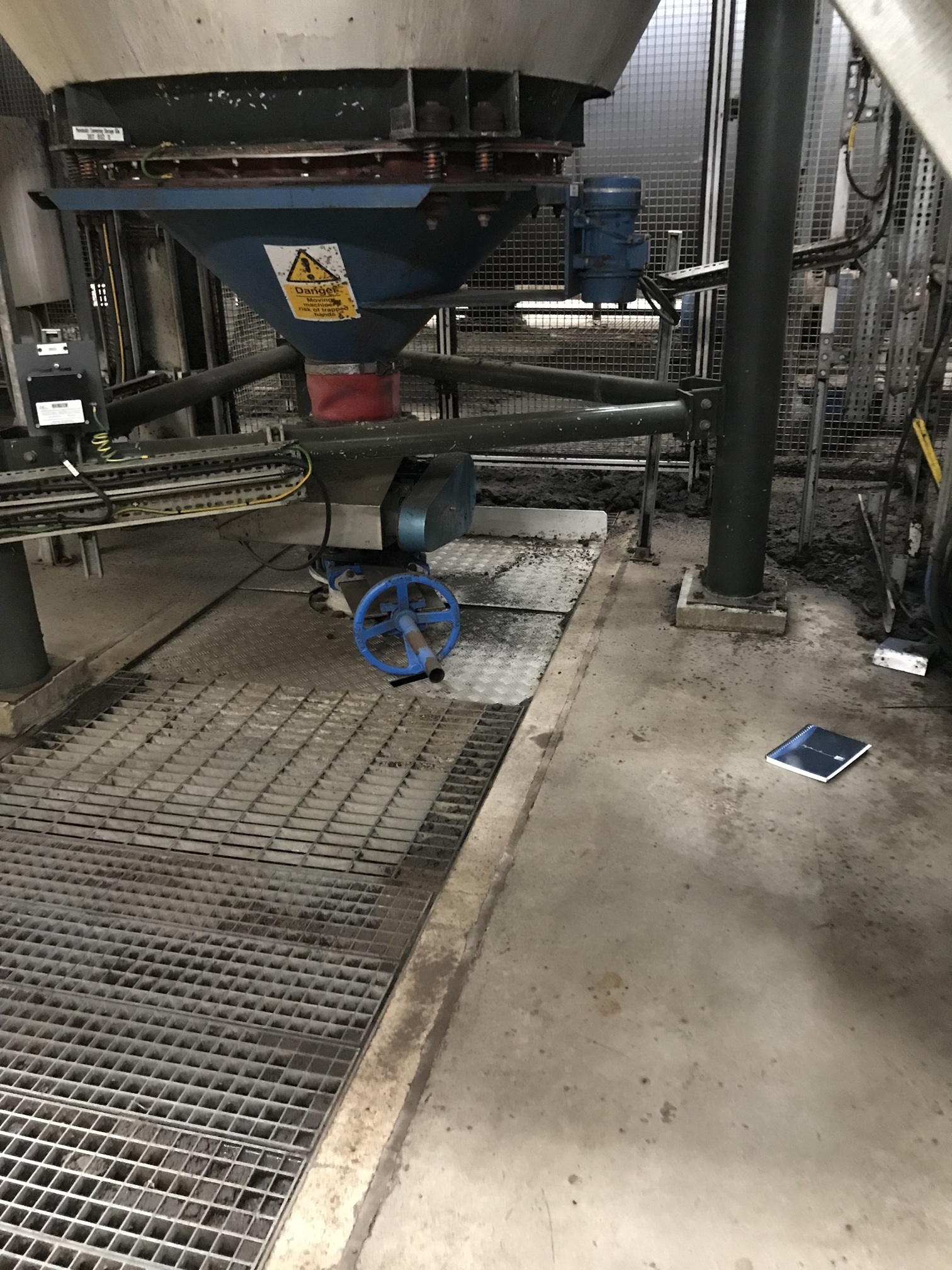
An investigation by the Health and Safety Executive (HSE) found that while the company had a specific safe system of work in place for clearing blockages on surge hopper rotary lock valves – which the man had been trained on as recently as April 2023 – they had failed to ensure that access to the dangerous parts of the machinery was prevented.
HSE provides detailed guidance on safeguarding machinery and preventing access to dangerous parts, including under the Provision and Use of Work Equipment Regulations 1998 (PUWER). PUWER places duties on people and companies who own, operate or have control over work equipment. PUWER also places responsibilities on businesses and organisations whose employees use work equipment, whether owned by them or not. Further information on PUWER is available at the HSE website
SMW Limited pleaded guilty to breaching The Provision and Use of Work Equipment Regulations 1998, Regulations 11(1) and (2) and the Health and Safety at Work etc. Act 1974, Section 33(1)(c) at Hamilton Sheriff Court on 20 May 2026. The company was fined £120,000 and ordered to pay a Victim Surcharge of £9,000.
HSE inspector Nicola Kerr said:
“This man’s injuries had had a profound impact on his life, and were completely preventable.
“Where workers are required to interact with machinery containing dangerous moving parts, employers must ensure that adequate physical safeguards are in place to prevent access to those parts.
“Relying solely on radio communication to control isolation – particularly where there is no line of sight and interference is possible – is simply not good enough.
“A fixed guard would have been a reasonably practicable measure that could have prevented this incident entirely.”
Further information
- The Health and Safety Executive (HSE) is Britain’s national regulator for workplace health and safety. We are dedicated to protecting people and places, and helping everyone lead safer and healthier lives.
- More information about the legislation referred to in this case is available.
- Further details on the latest HSE news releases is available.
- Relevant guidance can be found here Provision and Use of Work Equipment Regulations 1998 (PUWER) – overview – HSE.
- HSE does not pass sentences, set guidelines or collect any fines imposed. Relevant sentencing guidelines must be followed unless the court is satisfied that it would be contrary to the interests of justice to do so. The sentencing guidelines for health and safety offences in Scotland can be found here.